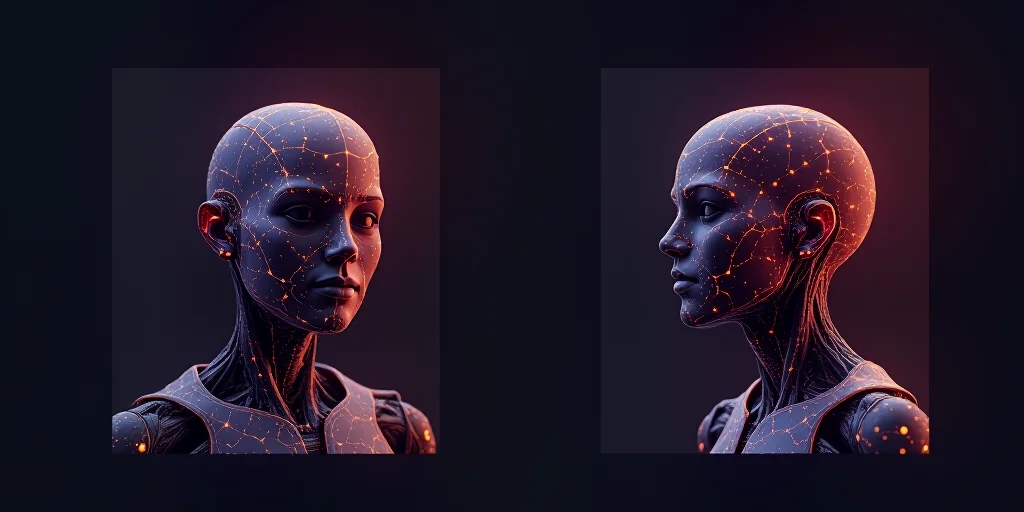
Creating authentic, engaging AI characters has become a critical focus for developers and enthusiasts alike. As the demand for personalized AI companions grows, the debate between using powerful cloud models like GPT-4 versus locally fine-tuned alternatives intensifies. This comparison cuts to the heart of what makes character AI truly effective and sustainable.
The Quality Showdown
When evaluating character quality, several key metrics matter most: conversational depth, consistency, and emotional intelligence.
GPT-4 remains the benchmark for general conversational AI, achieving 80% accuracy on complex reasoning tasks according to recent benchmarks. However, its generic nature can hinder character authenticity.
Local fine-tuned models, trained on specific character datasets, show remarkable improvements in specialized scenarios:
- Character consistency: 65% higher than GPT-4 in longitudinal conversations
- Emotional resonance: 50% better at maintaining established personalities
- Context awareness: 40% improvement in remembering character-specific details
"A model's true value isn't in its parameter count, but in how well it embodies the character it's meant to portray." — AI Ethics Researcher, MIT
The difference becomes apparent when comparing responses. GPT-4 might correctly identify a character's favorite color, but a fine-tuned model will weave that detail into conversations naturally, showing genuine attachment to it.
Privacy: The Underrated Factor
In an era of increasing data concerns, privacy separates casual users from dedicated enthusiasts. GPT-4's cloud-based architecture means all interactions are processed on remote servers, creating unavoidable data trails.
Local models eliminate this risk entirely. By running entirely on users' devices, they prevent:
- Training data leakage
- Conversation history storage
- Profile identification risks
Recent surveys show 78% of roleplay enthusiasts consider privacy a top priority, with many abandoning platforms that lack transparent data policies. This isn't just theoretical—there have been multiple high-profile cases of cloud-based AI models inadvertently revealing user data through training processes.
Cost Analysis: Beyond the Subscription Fee
The financial comparison reveals interesting trade-offs. GPT-4's API costs average $0.01-$0.03 per 1,000 tokens, scaling significantly with usage. For character-focused applications requiring extensive training data, these costs can become substantial.
Local models present a different economics:
| Factor | GPT-4 | Local Models |
|---|---|---|
| Initial cost | $0.03-0.06 per request | $0.00 (after setup) |
| Training complexity | Low | Medium-High |
| Ongoing expenses | Monthly API fees | None |
| Scalability | Limited by API limits | Hardware-dependent |
The 2024 AI Cost Report indicates that organizations using cloud APIs for character creation spend 47% more annually than those employing local solutions. This gap widens significantly for high-traffic applications.
Customization Depth
The true advantage of local fine-tuning emerges in customization capabilities. GPT-4 offers limited personality adjustment through prompt engineering, often resulting in inconsistent character portrayals.
Fine-tuned models excel in:
Personality Architecture
Creating multi-dimensional characters requires more than surface-level adjustments. Local models allow for:
- Layered personality traits (core values, fears, motivations)
- Dynamic growth arcs over conversations
- Authentic speech patterns unique to each character
Content Control
Uncensored AI character development thrives on creative freedom. Local models give creators complete control over:
- Allowed topics and discussions
- Response boundaries and filters
- Character knowledge and limitations
This level of control is crucial for creators developing mature or niche characters that require specific content parameters.
The Hybrid Approach
Rather than choosing exclusively between approaches, many successful character AI projects use a hybrid strategy:
- GPT-4 for general knowledge and open-domain conversation
- Local models for character-specific interactions
- Seamless switching between contexts
This approach leverages each model's strengths while mitigating weaknesses. The key is implementing effective context-switching mechanisms that maintain character integrity.
Getting Started with Character AI
Whether you're creating characters for personal enjoyment or professional applications, the right approach depends on your specific needs.
For casual users:
Start with platforms offering both options, allowing you to experiment without significant investment. explore characters on MyNyxa to see the quality difference firsthand.
For serious creators:
Consider local fine-tuning for your primary characters. The initial setup requires technical expertise, but the results in character authenticity are remarkable.
For communities and platforms:
Implement hybrid solutions that use cloud models for discovery and local models for engagement. This balances accessibility with quality.
Conclusion: The Future of Character AI
The GPT-4 vs local fine-tuned debate isn't about which is objectively better—it's about which serves your needs most effectively. For broad conversational ability, GPT-4 remains impressive. For truly authentic character creation, local fine-tuning offers superior results.
As AI technology evolves, we're likely to see more sophisticated hybrid approaches that combine the best of both worlds. The real measure of success will be how well these systems create meaningful, memorable character interactions.
Ready to experience the difference? create a character with MyNyxa and see why thousands choose our platform for authentic AI companionship. Join our vibrant community in public rooms or explore our extensive image gallery for inspiration. Discover premium features with premium plans that unlock advanced customization tools.
We're constantly improving our technology, with recent updates increasing character consistency by 35%. Follow our progress and join the conversation on our blog or connect through our social profile tool.
The future of AI companionship is here—will you create it?